Location preference

Enter your country so we can show you products that are available for you.

Access Point

Patients with myeloproliferative disorders and leukemias face the risk of developing leukocytosis — an excessive buildup of white blood cells. The white blood cell depletion (WBCD) protocol is specifically designed to reduce the leukocyte concentration in peripheral blood, which may help manage leukocytosis and prevent progression to leukostasis, a medical emergency.

You may have read our overview of the WBCD protocol on the Spectra Optia™ Apheresis System in our April 2025 issue. Now, let’s take a closer look at a few specific aspects that can help ensure a safe, effective procedure.

Set the WBCD run targets

Using the physician’s order as a guide, you'll choose procedure run targets based on the options below.

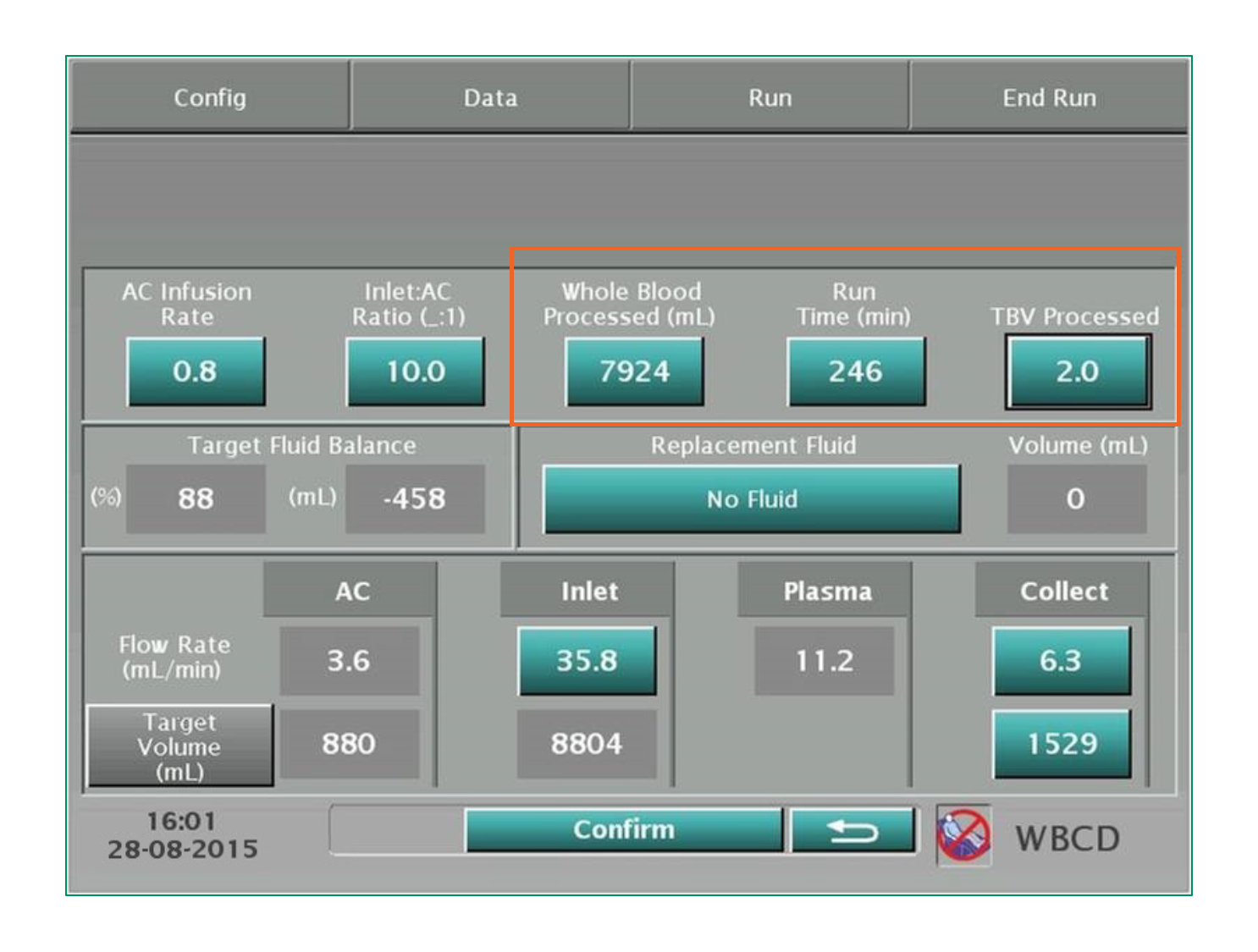
  • Whole blood processed (mL). This is the amount of the patient’s blood to be processed. It’s calculated as inlet volume minus anticoagulant (AC) volume. 
  • Run time (min). This is the time it takes to complete the run. The clock starts when the patient is connected and you touch Start Run

    Important
    : The time limit for a WBCD procedure is 8 hours. If you change a value during the run that causes run time to exceed that, an alarm will occur. 
  • TBV processed. This is the number of times the equivalent of the patient’s total blood volume (TBV) will be processed during the procedure. For example, if the patient’s TBV is 4,900 mL and TBV processed is set to the default of 2.0, then 9,800 mL (4,900 × 2) will be processed. You can select a TBV processed number from 0.5 to 5 depending on the patient’s needs.
Understand anticoagulation options

For a WBCD procedure, you can choose from two anticoagulants:

  • ACD-A
  • Hydroxyethyl starch (HES) combined with trisodium citrate

The patient’s diagnosis is an important factor when the physician decides which to order.

For example, if the goal is to collect mature granulocytes, the physician may choose HES because it helps separate those cells from the red blood cells (RBCs).

On the other hand, some procedures are more effective without HES. For instance, ACD-A may be preferred if you’re targeting immature myeloid cells for removal, as seen during a blast crisis (rapid proliferation of blast cells).

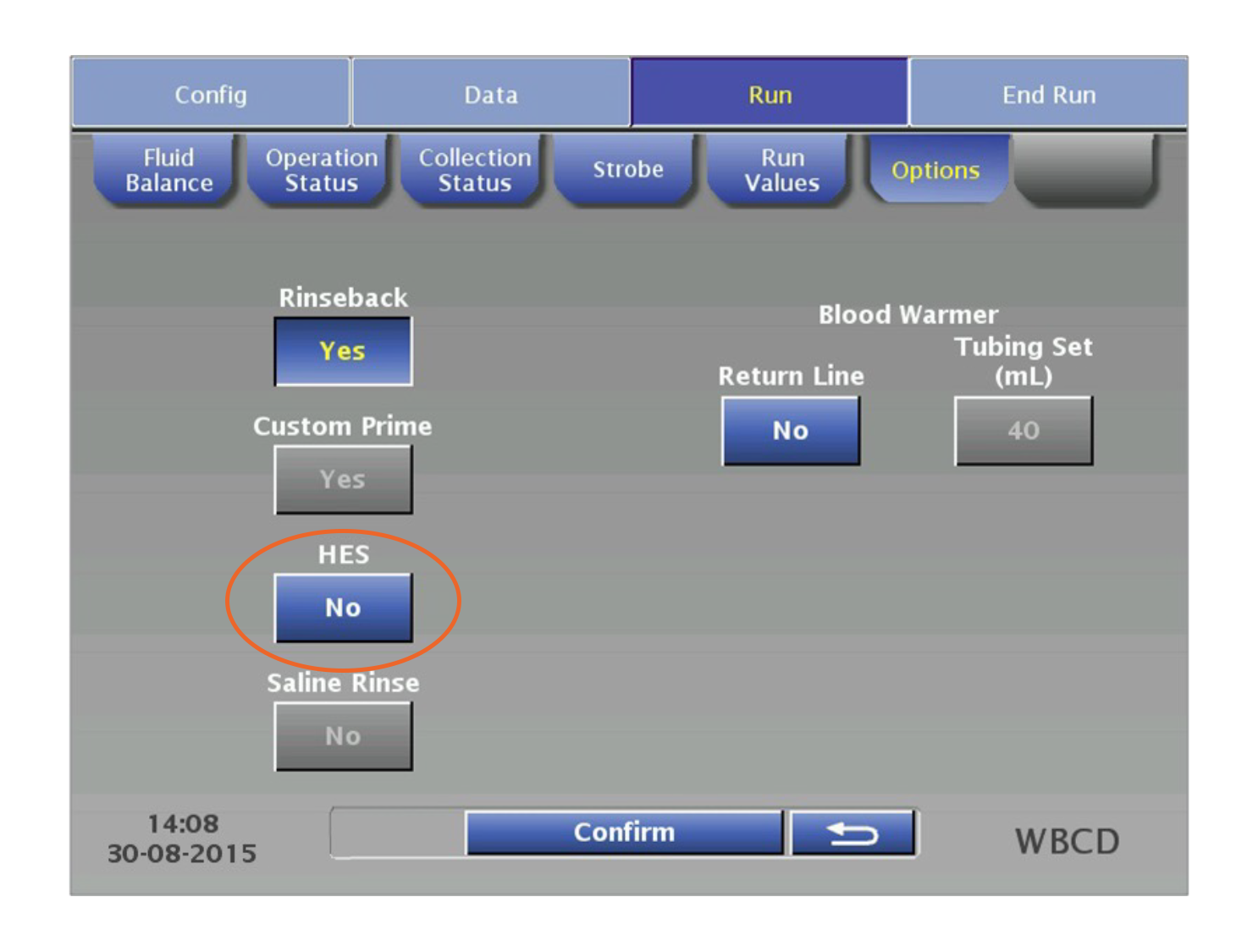
If a procedure will use ACD-A, be sure to select No for HES on the run values screen. The default packing factor will then be 4.5. If the procedure will use HES, select Yes. The default packing factor will then be 1.6. An accurate entry is critical because this information can significantly impact the procedure outcome.

Review fluid balance inputs

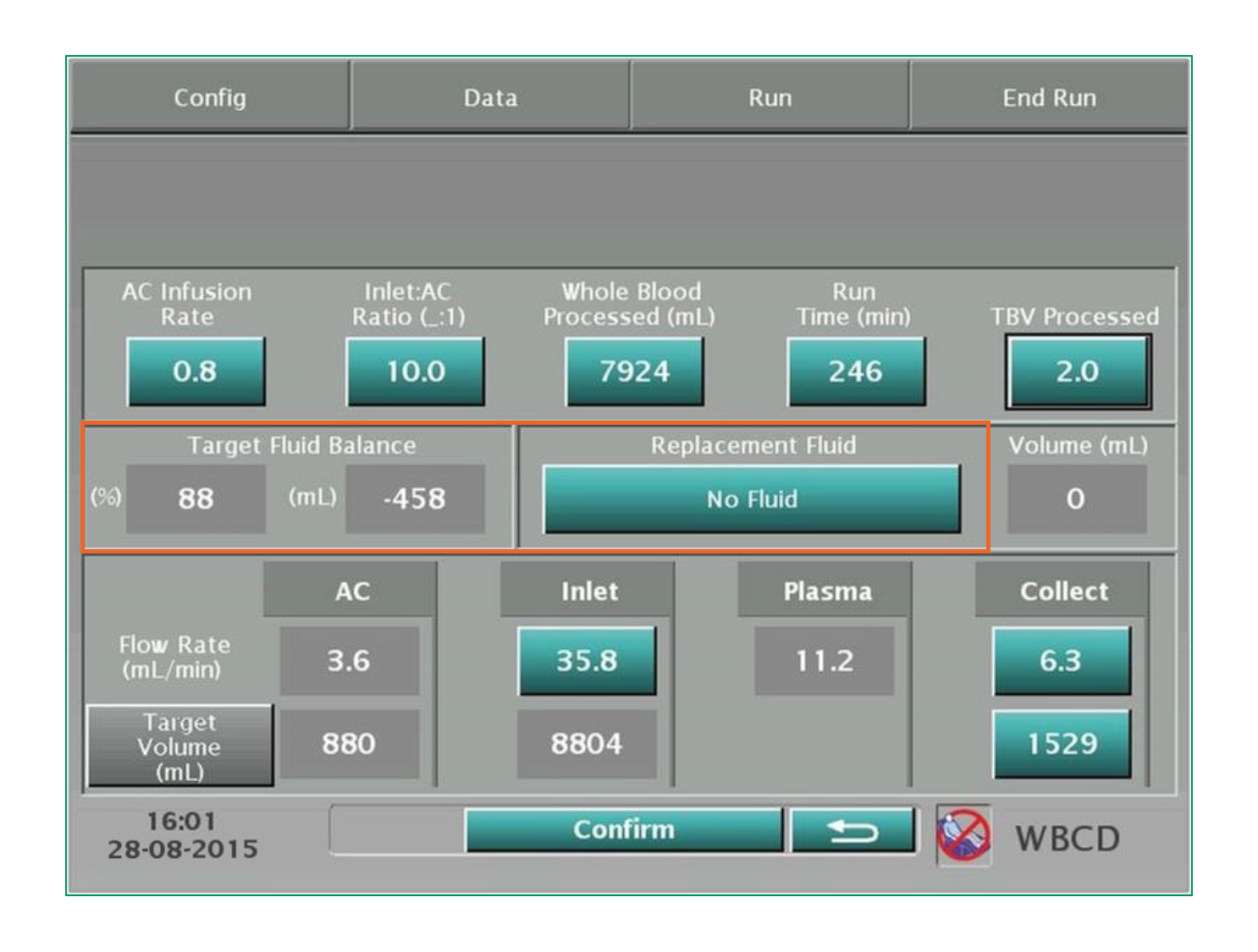
The Spectra Optia system calculates a target fluid balance based on the target collect volume and the AC volume the patient will receive during the run. Note that you will be required to choose a replacement fluid if the fluid balance shown is lower than the level required for the procedure.

The following replacement fluid options are available for the WBCD protocol on Spectra Optia:

  • Saline/albumin 
  • Plasma 
  • Custom (requires citrate content of the fluid)
  • RBCs (requires average hematocrit [Hct] of the RBC unit)
Unlock a key to care

The WBCD protocol on Spectra Optia can be a valuable and potentially lifesaving tool for patients with excess white blood cells who are at risk of leukostasis. Understanding your options for run targets, anticoagulant, and fluid balance can help you perform a procedure that delivers optimal patient care.

To learn more about the WBCD protocol, review your Spectra Optia operator’s manual or contact your Terumo Blood and Cell Technologies representative.

Sources:

Terumo Blood and Cell Technologies. Spectra Optia Apheresis System Operator’s Manual. Part no.1000049738. April 2024.

White Blood Cell Depletion training. Terumo Blood and Cell Technologies. June 2025. Part no. TS-OPTI-02683.

White blood cell depletion. Terumo Blood and Cell Technologies. June 2025. Part no. TS-OPTI-02784.

To top