Location preference

Enter your country so we can show you products that are available for you.

Access Point BCP

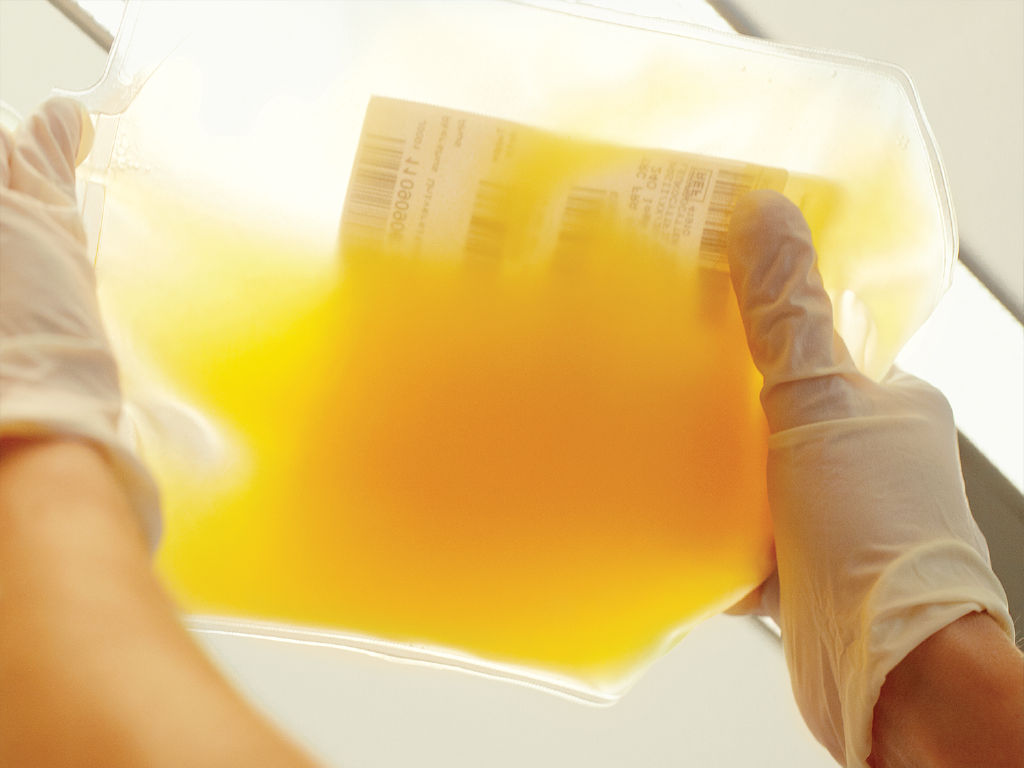
In our last feature, we explored and addressed four common myths about whole blood-derived platelets (WBDPs). In this month's feature, we’ll take a closer look at the growing adoption of the Reveos Automated Blood Processing System in the U.S. As more operators take advantage of pooling platelets, we're seeing how software plays a key role in making the process more streamlined and efficient.1

Ever wonder how technology can help improve your operations?

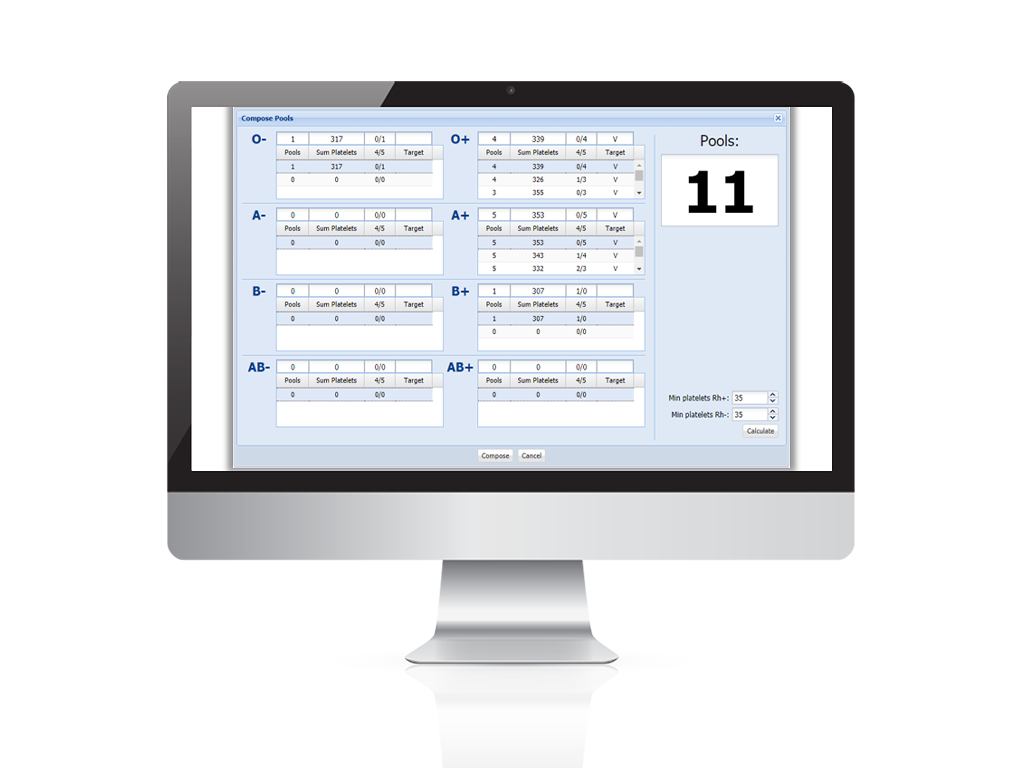
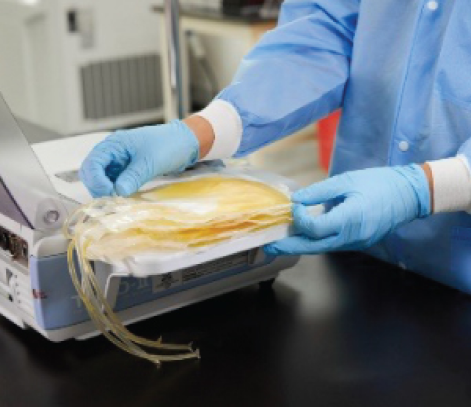
Meet T-Pool Select™, a software application within the Lumia™ Software Platform* and part of the Reveos system that helps simplify platelet pooling. Once interim platelet units (IPUs) are separated from red blood cells and plasma by the Reveos device, the T-Pool Select software in Lumia determines the optimal way to combine them into therapeutic doses. The application groups platelet units by blood type and uses estimated yields from the Reveos system to select the most compatible matches.

Pooling platelets is a complex process that requires attention to several critical factors:

  • Multiple steps that require careful handling2
  • Time sensitivity due to the short shelf life of platelets3
  • Variability in donor platelet counts affecting product standardization3
  • Maintenance of product safety through sterility, serology, and blood group matching3
  • Regulatory requirements that demand strict adherence to Good Manufacturing Practices (GMP)4

How T-Pool Select makes pooling platelets easier

T-Pool Select helps users optimize pool yields and estimate the number of pools that can be created by blood type. With T-Pool Select, users can review the system's suggested pool configurations or adjust them based on their center’s daily operational needs.5 The total number of pools is automatically calculated and displayed,6 helping teams save time1 and improve accuracy.1

As the demand for efficient and reliable platelet pooling increases,7 integrated software tools within Lumia, such as T-Pool Select, are driving smarter collection processes.1 These solutions tackle common operational challenges and streamline the pooling workflow, enabling blood centers to improve yield, maintain product quality, and maximize efficiency. With intelligent software built into your system, you can confidently deliver platelets with greater consistency.1


*Available in select markets.

  1. Malvaux N, Schuhmacher A, Defraigne F, Jacob R, Bah A, Cardoso M. Remodelling whole blood processing through automation and pathogen reduction technology at the Luxembourg Red Cross. Transfus Apher Sci. 2021;60(5):103195. doi: 10.1016/j.transci.2021.103195
  2. Trochanowska-Pauk N, Walski T, Bohara R, Mikolas J, Kubica K. Platelet storage — problems, improvements, and new perspectives. Int J Mol Sci. 2024;25(14):7779. doi: 10.3390/ijms25147779
  3. Lambert MP, Sullivan SK, Fuentes R, French DL, Poncz M. Challenges and promises for the development of donor-independent platelet transfusions. Blood. 2013;121(17):3319-3324. doi: 10.1182/blood-2012-09-455428
  4. Code of Federal Regulations. Part 610 — general biological products standards. Published August 21, 2025. Accessed July 30, 2025. https://www.ecfr.gov/current/title-21/chapter-I/subchapter-F/part-610
  5. TOMEs (Terumo Operational Medical Equipment Software) Version 8.2.1. Instructions for Use. Terumo BCT, Inc. 2025. Part no. REF-03269.
  6. Putensen D, Smith R, Pilcher L, Trandafir G. Comparison of the CMNC and MNC apheresis protocol for the collection of T‐cells showed comparable outcome: An observational study in a single centre. J Clin Apher. 2018;33(3):349-356. doi: 10.1002/jca.21618
  7. Riley W, Cohn CS, Love K, McCullough J. Ensuring a reliable platelet supply in the United States. N Engl J Med. 2023;388(22):2017-2019. doi: 10.1056/nejmp2302523
To top